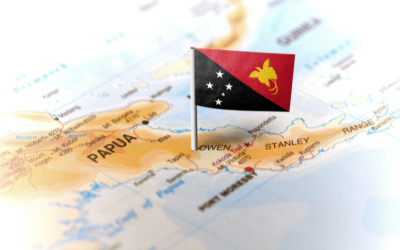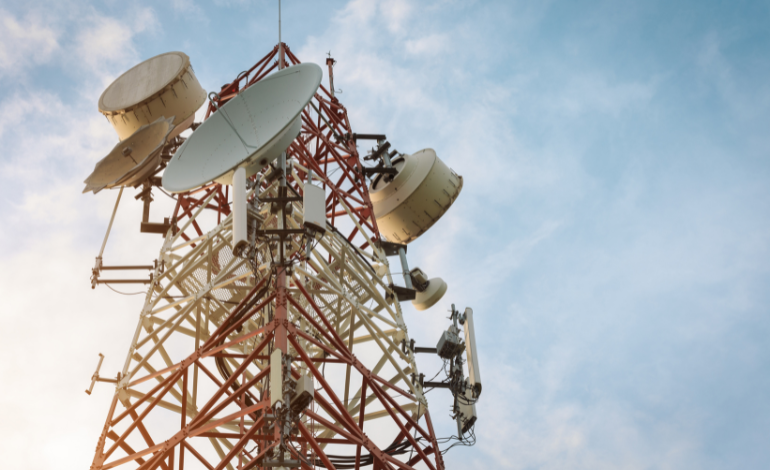
Kumul Telikom’s announcement in November 2025 that it will roll out a nationwide 4G upgrade across 14 provinces marks one of the most significant telecom infrastructure commitments undertaken by a state-owned company in recent years. Reported by the Post-Courier, the initiative is designed to dramatically improve rural telecommunications coverage, lower wholesale data costs and strengthen the overall digital ecosystem in Papua New Guinea.
The company confirmed that the upgrade will focus on both densely populated provincial centres and underserved rural districts, where access to reliable mobile internet remains inconsistent. For many communities, the arrival of 4G connectivity will be their first experience of stable, high-speed broadband – a step that promises to unlock opportunities in education, e-commerce, healthcare delivery and local entrepreneurship.
Industry observers say the move responds directly to government pressure for state-owned telcos to improve service quality, expand coverage footprints and reduce data pricing structures that have historically been among the highest in the region. By lowering wholesale bandwidth costs, Kumul Telikom aims to stimulate competition among internet service providers and mobile operators, which in turn could lead to more affordable retail data packages for households and businesses.
The upgrade also comes at a time when demand for digital services is rapidly rising. Remote work, digital payments, cloud-based business tools and online learning have all accelerated in Papua New Guinea over the past three years. Yet rural communities continue to face huge connectivity gaps, limiting participation in the modern economy. Kumul Telikom’s plan, if delivered effectively, has the potential to narrow this divide and improve digital inclusivity nationwide.
For businesses, stronger and more widespread 4G access could reduce operational bottlenecks, enhance reliability for point-of-sale systems, improve logistics coordination and support the adoption of new technologies. Industries such as agriculture, tourism, mining and retail, all heavily dependent on communication and data, stand to benefit.
While timelines and funding arrangements are still being finalised, the nationwide 4G expansion marks a strategic pivot for Kumul Telikom, reasserting its role as a key infrastructure enabler. The success of the rollout will depend on project execution and sustained investment, but the ambition is clear: a more connected, competitive and digitally capable Papua New Guinea.