



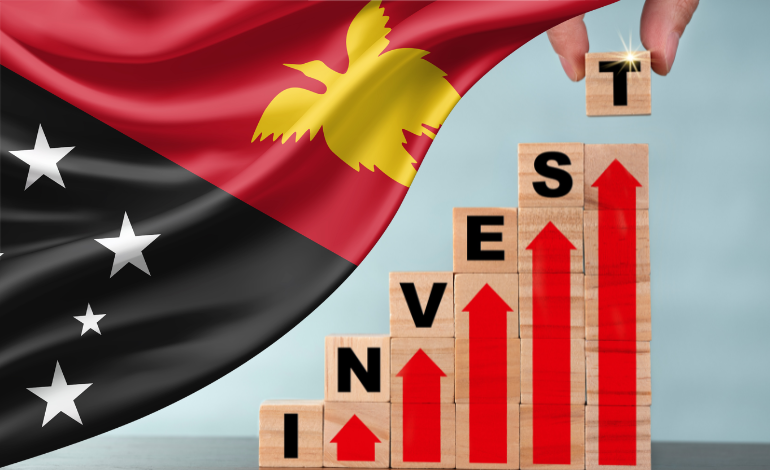
Papua New Guinea is expected to remain one of the Pacific’s stronger-performing economies in 2026, with continued growth underpinned by commodity exports, improving foreign exchange conditions and a pipeline of major resource and infrastructure projects.
Papua New Guinea’s economy is forecast to expand by 4.6 per cent this year, according to Westpac, reinforcing expectations that the country will continue to outperform many of its regional neighbours despite an uncertain global economic environment.
The bank’s latest outlook points to resilient export earnings, steady activity across agriculture and services, and renewed business confidence as key drivers of growth. While international markets continue to face geopolitical tensions, slower growth in major economies and trade uncertainty, Papua New Guinea is expected to benefit from strong demand for its resource and agricultural exports.
An encouraging sign for businesses has been the gradual easing of foreign exchange constraints. Although access to foreign currency remains a challenge for many importers, manufacturers and retailers, conditions have improved over the past year following reforms by the Bank of Papua New Guinea and increased export receipts. Businesses say the shorter wait for foreign exchange is beginning to reduce costs and improve planning certainty.
The outlook is also being supported by a substantial investment pipeline. Progress on Papua LNG, continued activity in the mining sector and major public infrastructure programmes are expected to generate work across construction, logistics, engineering, professional services and manufacturing. These projects have the potential to create demand well beyond the resource sector through local procurement and supply chains.
Agriculture remains another important contributor to economic growth. Coffee, cocoa, palm oil, fisheries and other export industries continue to provide employment and foreign exchange, while government agencies are working to improve productivity and expand access to premium export markets.
Westpac notes that challenges remain. Reliable electricity, transport infrastructure, skills shortages and access to finance continue to affect the competitiveness of many businesses. Maintaining fiscal discipline and improving the efficiency of public investment will also be important if economic growth is to translate into broader development outcomes.


