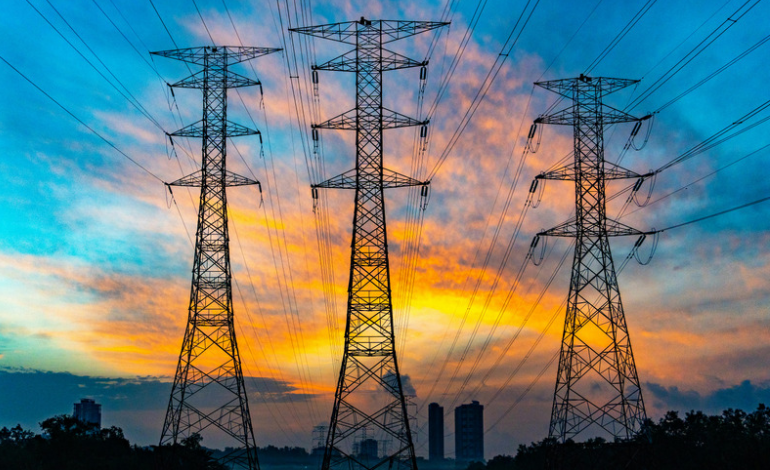
Papua New Guinea has commissioned a K350 million upgrade to the Ramu Grid, improving the network’s capacity to carry electricity to major business centres. Richard Maru, the minister responsible for PNG Power, says the next priority is to add enough generation to meet demand. He has identified potential hydropower developments and shorter-term solar projects as options.
The 132-kilovolt Ramu Transmission System Reinforcement Project was commissioned at the Taraka substation in Lae on 9 October 2026. Together with the Tari–Hagen–Yonki transmission line, it completes the grid’s main transmission backbone. The Japan International Cooperation Agency provided a K236.7 million loan, with the PNG Government contributing K113.3 million in counterpart funding.
Solar options while hydro projects develop
Maru identified potential hydropower projects on the Tua River in Eastern Highlands, at Yenem Busu Marambi in Morobe and at Yanganon/Nankina in Madang. He also identified the proposed 80 MW Naoro Brown development serving Port Moresby and Central Province. The projects are at varying stages of consideration, and Maru said hydropower developments typically take five to 10 years to deliver.
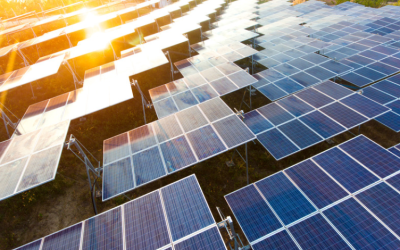
For Morobe, he proposed solar plants of 25 MW at Wawin, 10 MW at Yalu and between 30 MW and 50 MW at Erap. These could add power while longer-term hydro projects are developed, subject to the plants being built and connected to the network.
The need for additional supply became more pressing later in October when PNG Power reported that water available for generation at Yonki Dam had fallen to about 35 per cent of capacity. The utility said Yonki hydro generation was producing about 50 MW on a normal day against peak demand of about 90 MW. The shortfall forced continued load shedding across Lae, Madang and parts of the Highlands, and PNG Power began assessing temporary generation options.
For industrial and commercial customers, the transmission upgrade improves the capacity of the network that serves them. The reliability of their electricity supply will also depend on how quickly PNG can bring additional generation online and how much power existing hydro plants can produce through the dry spell.