



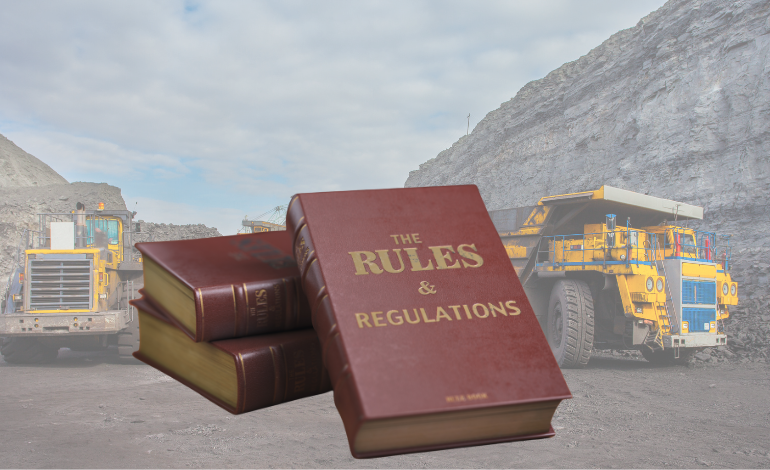
As demand for copper, gold and critical minerals gathers pace worldwide, Papua New Guinea is overhauling its mining framework in a bid to attract fresh investment while ensuring more of the benefits remain in the country.
Papua New Guinea is positioning itself for the next phase of mining investment with a series of regulatory reforms aimed at making the sector more attractive to investors while strengthening governance and increasing opportunities for Papua New Guinean businesses.
Speaking during PNG Resources Week in Port Moresby, Mining Minister Solen Loifa outlined measures that include updates to mining legislation, improvements to licensing systems and greater use of digital technology to simplify regulatory processes. The reforms are intended to provide investors with a more predictable operating environment while maintaining appropriate oversight of one of the country’s most important industries.
The timing is significant. Around the world, competition for mining investment has intensified as countries seek to secure supplies of copper and other minerals essential for renewable energy, electric vehicles and modern infrastructure. Investors increasingly compare jurisdictions not only on geology but also on the efficiency of approvals, policy stability and the ease of doing business.
Papua New Guinea has no shortage of mineral potential. Alongside established operations such as Ok Tedi, Lihir and K92, attention is turning to a pipeline of major developments including Wafi-Golpu, Frieda River and the possible reopening of the Panguna mine. Collectively, these projects represent investments worth many billions of kina and have the potential to generate employment, export earnings and demand for local suppliers over several decades.
The Government is also seeking to ensure that future developments create wider economic benefits. Greater emphasis is being placed on local procurement, workforce development and opportunities for Papua New Guinean businesses to participate in supply chains supporting the mining industry.
For Australian companies, the reforms could open new commercial opportunities across engineering, construction, environmental services, project management, equipment supply and professional advisory services. Australia already has deep commercial links with Papua New Guinea’s mining sector, and many Australian firms are expected to be involved as new projects move from planning into development.
The challenge now will be implementation. Investors consistently place a premium on regulatory certainty, timely approvals and consistent policy. If the proposed reforms deliver on those objectives, Papua New Guinea will strengthen its position as one of the Pacific’s most attractive destinations for long-term mining investment.


